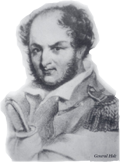
General Joseph Holt
1798

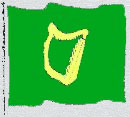
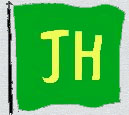
Holt Family Fellowship Flag
General Holt's
Battle Flag
1798

THE HOLT FAMILY FELLOWSHIP

Est.11th January 2000

"Who wishes to serve his fellow creature will meet with the merit of his own action in time to come."
Joseph Holt 1756 - 1826, A Rum Story, Peter O'Shaughnessy editor, 1988, p.53.

United Irish Researchers' Chat


The following instructions have been written to help those chatters unfamiliar with the process.

*** New User: Please Register to Chat

Registered User Log in:
Enter your email address:

Most recent messages:

DateTimeNameMessage
19th Nov 11 10:41:04 Matthew Fowler http://en.wikipedia.org/wiki/Battle_of_the_Harrow Battle of the Harrow
From Wikipedia, the free encyclopedia
Battle of the Harrow
Part of the United Irishmen Rebellion
Date 26 May 1798
Location County Wexford
Result United Irishmen victory
Belligerents
United Irishmen British Army
Commanders and leaders
John Murphy Lieutenant Bookey
Strength
c.40 c.20
Casualties and losses
None 2 killed
[hide]v · d · e
United Irishmen Rebellion
List of battles during the rebellion
Ballymore-Eustace – Naas – Prosperous – Kilcullen – Carnew – Dunlavin – Carlow – Harrow – Tara Hill – Oulart Hill – Enniscorthy – Gibbet Rath – Newtownmountkennedy – Three Rocks – Bunclody – Tuberneering – New Ross/Scullabogue – Antrim – Arklow – Saintfield – Ballynahinch – Duncairn – Ovidstown – Foulksmills – Vinegar Hill – Ballyellis – Castlebar – Collooney – Ballinamuck – Killala – Tory Island
The Battle of the Harrow took place on 26 May 1798 and was the first clash of the 1798 rebellion in County Wexford. It was fought between British troops (specifically a unit of Wexford yeoman cavalry, the Camolin Cavalry) and insurgents under the leadership of a local priest, John Murphy who had mobilised following reports of the outbreak of the rebellion led by the revolutionary organisation named the United Irishmen.
Contents [hide]
1 Background
2 The Fight at The Harrow
3 Sources
4 External links
[edit]Background

News of the outbreak of the rebellion to the north had filtered down to County Wexford and was accompanied by the arrival of two military regiments notorious for their brutality: the North Cork Militia and a Welsh cavalry unit known as the Ancient Britons. In addition, regular yeomanry patrols of the countryside and reports of a massacre of prisoners by yeomen in Carnew added to the atmosphere of widespread fear. As a consequence, many people banded together to watch for military patrols or abandoned their homes to hide in the countryside.
One such group, numbering about forty, were gathered by Father John Murphy near the village of The Harrow on the evening of the 26 May. Ostensibly the men had come to cut turf for Father Murphy, their local curate, which was a custom at the time. This ruse allowed the men to carry turf cutters, which could serve as rudimentary weapons, but they also had a small number of firearms concealed nearby.
[edit]The Fight at The Harrow

Meanwhile a patrol of about twenty local yeomen cavalry were approaching, alerted by the reports of rebellion and seeking a number of suspected United Irishmen. The yeomen initially passed Fr. Murphy's group without incident, but the bulk of the patrol halted nearby while their commanding officer, a Lieutenant Bookey, together with a private, John Donovan, rode on ahead to the dwelling of one of the suspected United Irishmen. Finding their target was not at home, they two set fire to the cabin and then turned back to rejoin their unit. The rebels attacked the yeomanry, killing Bookey and Donovan; the remainder of the patrol fled.
The official version of events was recorded in the entry for 26 May 1798 in the Detail Book of the Camolin Cavalry;
"On arrival in Ferns, Lieut. Smith and a party was ordered towards Scarawalsh, where the murders were committed, to see if this information was true, and Lieut. Bookey with another Party rode towards the Harrow, where he met a large party of Insurgents armed with Pikes and some Arms. The Lieut. rode before the Party, and ordered the rebels to surrender, and deliver up their Arms, on which they discharged a volley at the Party, accompanied with a shower of stones, some of which brought Lieut. Bookey from his horse, as also John Donovan, a private in the Corps. The party after firing a few shots, finding themselves overpowered by the Rebels, retreated to Ferns, where they remained ‘till day break, melancholy spectators of the devastation committed by the Rebels. The information of the Murders at Scarawalsh found to be true."
[edit]Sources

H. F. B. Wheeler and A. M. Broadley; The War in Wexford: an account of the rebellion in the south of Ireland in 1798, told from original documents (London 1910) pp. 83–4.
18th Nov 11 23:46:39 Matthew Fowler http://en.wikipedia.org/wiki/Battle_of_the_Harrow Battle of the Harrow
From Wikipedia, the free encyclopedia
Battle of the Harrow
Part of the United Irishmen Rebellion
Date 26 May 1798
Location County Wexford
Result United Irishmen victory
Belligerents
United Irishmen British Army
Commanders and leaders
John Murphy Lieutenant Bookey
Strength
c.40 c.20
Casualties and losses
None 2 killed
[hide]v · d · e
United Irishmen Rebellion
List of battles during the rebellion
Ballymore-Eustace – Naas – Prosperous – Kilcullen – Carnew – Dunlavin – Carlow – Harrow – Tara Hill – Oulart Hill – Enniscorthy – Gibbet Rath – Newtownmountkennedy – Three Rocks – Bunclody – Tuberneering – New Ross/Scullabogue – Antrim – Arklow – Saintfield – Ballynahinch – Duncairn – Ovidstown – Foulksmills – Vinegar Hill – Ballyellis – Castlebar – Collooney – Ballinamuck – Killala – Tory Island
The Battle of the Harrow took place on 26 May 1798 and was the first clash of the 1798 rebellion in County Wexford. It was fought between British troops (specifically a unit of Wexford yeoman cavalry, the Camolin Cavalry) and insurgents under the leadership of a local priest, John Murphy who had mobilised following reports of the outbreak of the rebellion led by the revolutionary organisation named the United Irishmen.
Contents [hide]
1 Background
2 The Fight at The Harrow
3 Sources
4 External links
[edit]Background

News of the outbreak of the rebellion to the north had filtered down to County Wexford and was accompanied by the arrival of two military regiments notorious for their brutality: the North Cork Militia and a Welsh cavalry unit known as the Ancient Britons. In addition, regular yeomanry patrols of the countryside and reports of a massacre of prisoners by yeomen in Carnew added to the atmosphere of widespread fear. As a consequence, many people banded together to watch for military patrols or abandoned their homes to hide in the countryside.
One such group, numbering about forty, were gathered by Father John Murphy near the village of The Harrow on the evening of the 26 May. Ostensibly the men had come to cut turf for Father Murphy, their local curate, which was a custom at the time. This ruse allowed the men to carry turf cutters, which could serve as rudimentary weapons, but they also had a small number of firearms concealed nearby.
[edit]The Fight at The Harrow

Meanwhile a patrol of about twenty local yeomen cavalry were approaching, alerted by the reports of rebellion and seeking a number of suspected United Irishmen. The yeomen initially passed Fr. Murphy's group without incident, but the bulk of the patrol halted nearby while their commanding officer, a Lieutenant Bookey, together with a private, John Donovan, rode on ahead to the dwelling of one of the suspected United Irishmen. Finding their target was not at home, they two set fire to the cabin and then turned back to rejoin their unit. The rebels attacked the yeomanry, killing Bookey and Donovan; the remainder of the patrol fled.
The official version of events was recorded in the entry for 26 May 1798 in the Detail Book of the Camolin Cavalry;
"On arrival in Ferns, Lieut. Smith and a party was ordered towards Scarawalsh, where the murders were committed, to see if this information was true, and Lieut. Bookey with another Party rode towards the Harrow, where he met a large party of Insurgents armed with Pikes and some Arms. The Lieut. rode before the Party, and ordered the rebels to surrender, and deliver up their Arms, on which they discharged a volley at the Party, accompanied with a shower of stones, some of which brought Lieut. Bookey from his horse, as also John Donovan, a private in the Corps. The party after firing a few shots, finding themselves overpowered by the Rebels, retreated to Ferns, where they remained ‘till day break, melancholy spectators of the devastation committed by the Rebels. The information of the Murders at Scarawalsh found to be true."
[edit]Sources

H. F. B. Wheeler and A. M. Broadley; The War in Wexford: an account of the rebellion in the south of Ireland in 1798, told from original documents (London 1910) pp. 83–4.
15th Sep 11 07:26:56 Carole Parkes Here is a post on the Kildare Newsgroup site. Don't know if the Mcgrattan's are the same family as the Grattan's but they maybe. Perhaps you can help her Ber?

I am trying to trace ancestors of mine who originally came from Carbury in Co. Kildare, Ireland.

I have obtained some parish records from the Parish of Most Holy Trinity in Carbury, but have been unable to progress further.

My great grandfather was baptised James McGratten, born 15th May 1836.
He came to England, settled in Yorkshire, and married as James Megretton.

His brother was baptised Joseph Magratten, born 5th June 1834.

Their parents were John and Ann McGratten/Magratten.

The sponsors on the baptismal certificates include James and John Murphy, so it is highly probable that Ann's maiden name was Murphy.

So the name is frequently variously spelled, and could be McGretton, McGratten, Magratten, or Megretton ?!?!

I would appreciate any help or advice regarding my search.

Many thanks in anticipation

Hilda Dinsdale
15th Sep 11 07:02:01 Carole Parkes Strange that Ann Booth always claimed she was born in Liverpool in every census at least after she was married.
15th Sep 11 06:28:12 Carole Parkes Are we talking about 1841 Naylor St Liverpool or Ireland. I can't bring up that family on Ancestry no matter what I try. Any suggestions?
11th Sep 11 09:02:04 Matthew Fowler Mmm an intriguing clue about Napoleon!? http://lifesgreatclues.com/alien-chip-found-in-the-skull-of-napoleon-bonaparte/
27th May 11 07:58:19 Lionel Fowler Hi Deborah, Unfortunately, you have followed in the footsteps of Deborah Smith. You are in the wrong chat room! Strange that two Deborah's should share in making the same mistake.
Please re-enter your chat in The General's Chat Room.
18th May 11 16:59:05 Deborah Hartley-Bonel Hello, I am from Australia. Ellenor Charlotte Holt was my Great Grandmother. She married Charles Scott Blair. I am hoping that we fit in here somewhere!!
27th Feb 11 08:15:33 Bernadette Holt Deborah on wrong board go to The Generals Chat you are the same family of Molloys ! You can check back on chats there!
15th Feb 11 07:36:52 Deborah Smith Hi girls (Bernadette & Pat) Like Pat I am new to this. I think we are definitely on to something here. I noticed mention of family members in Australia, which I have also heard about at this end. Family records here show Dora Hankinson had a brother Richard and brother in law Robert Ross. One of the William's that I know about, could possibly be Charles T. brother, married a Grace unknown. Dora Elizabeth Molloy b. 12 Apr 1885 immigrated to Canada 1914 and married George Lund. Charles T and Dora had sons, Alfred S., William, Charles, Albert and Josiah. Does any of this sound familiar?

Registered users may view earlier messages from the chat page once logged in.

No chat will be published unless the chat register is activated. The Holt Family Fellowship reserves its right to editorship and refusal of other websites to be registered on its site. This site is not to be used for individuals' or companies' promotion. Chatting signifies agreement with these conditions.

Top of Page

Holt Family Fellowship Flag
1798